
Induction Stove Cleaning and Maintenance Guide Nepal 2026
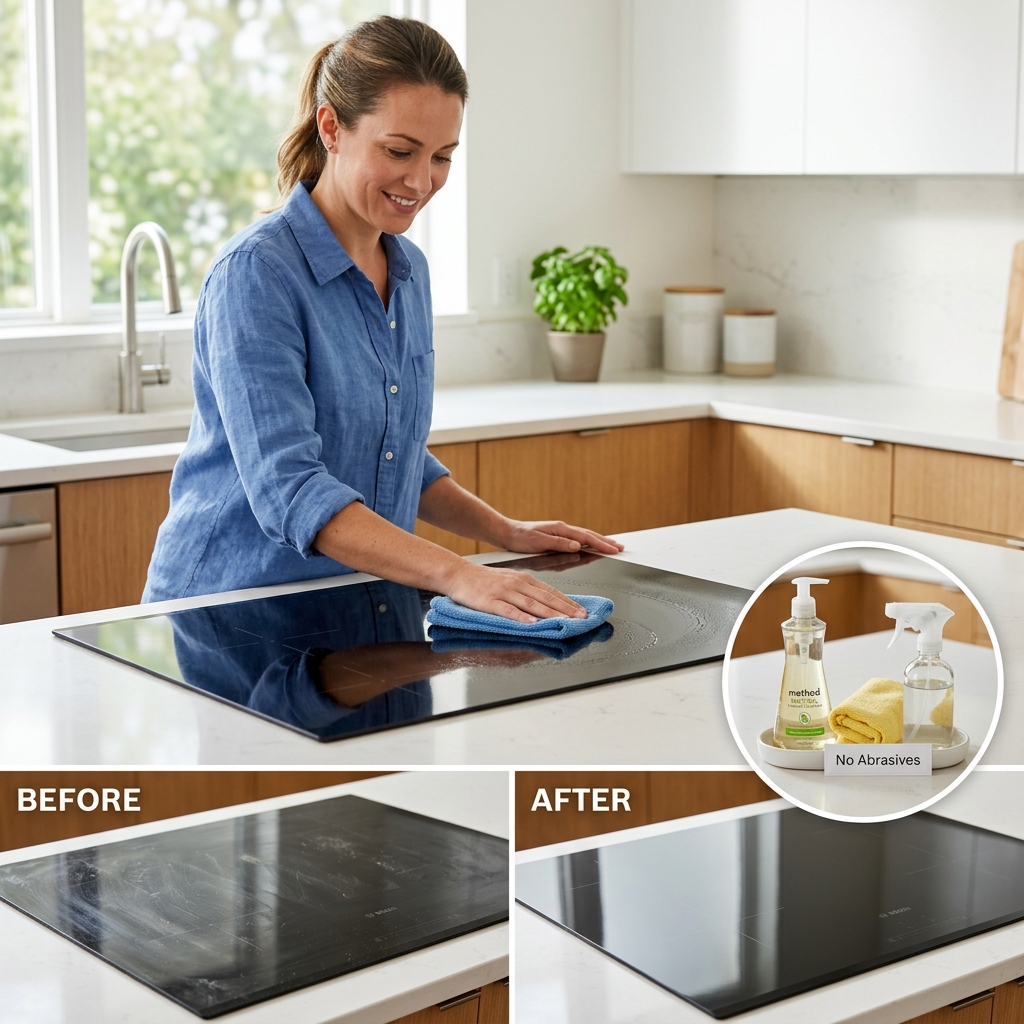
Proper cleaning and maintenance keeps your induction stove performing at full efficiency and extends its lifespan from 2–3 years to 5–7 years. This guide covers the correct cleaning routine for Nepal’s common cooking residues — turmeric stains, oil splatter, and dried dal.
Daily Cleaning Routine — After Every Use
Time required: 2 minutes
That’s it for a clean cooking session. Never leave the stove surface wet overnight.
Removing Tough Stains — Nepal Specific
Turmeric (Haldi) Stains — Most Common in Nepal
Turmeric is oil-soluble and heat-set. Once baked onto glass, plain water won’t remove it.
Method:
Burnt Milk / Dal on Glass Surface
Boiled-over milk and lentil water burn onto the glass surface quickly.
Method:
Oil and Ghee Splatter
Method:
Rust Marks (From Cast Iron Pan)
Method:
Monthly Maintenance — 15 Minutes
Cleaning the Ventilation Grill
The underside and/or rear of your induction stove has ventilation slits for the cooling fan.
In Nepal’s dusty urban environment (especially Kathmandu during winter/spring), doing this monthly prevents the stove from overheating (E3/E6 errors).
Checking the Power Cord
Checking Control Panel Response
For push-button models: press each button and confirm it clicks and responds correctly. Sticky or unresponsive buttons after months of cooking residue buildup should be cleaned with a toothpick along the button edge, followed by a dry wipe.
What NOT to Use for Cleaning
| ❌ Avoid | Reason |
|---|---|
| Steel wool / metal scrubbers | Permanently scratches glass surface |
| Bleach or chlorine cleaners | Discolors glass markings and control panel |
| Ammonia-based glass cleaners | Can damage control panel legends |
| Abrasive powder (Vim, Comet) | Micro-scratches that accumulate over months |
| Spraying water directly on the panel | Can seep into button gaps, cause short circuit |
| Soaking with wet cloth for long periods | Same risk as spraying |
Cookware Maintenance for Longer Glass Life
The condition of your cookware base directly affects glass surface life:
- Rough or warped base: Scratches glass on every placement and slide
- Flat, smooth base: No scratching, perfect heat transfer
Rules:
Storage When Not in Use
For households using the induction stove 3–5 days/week:
- Store in a dry, dust-free cabinet
- Keep away from moisture (above sinks, near wet walls)
- Do NOT place heavy objects on top of the glass surface for storage
Annual Service Check
After 12 months of daily cooking:
- Consider a professional cleaning of internal components at a brand service center
- Service cost: approximately रु. 300–600 for most brands
- Identify any early coil degradation before it causes failure
All induction stoves from InductionStoveNepal.com include full 1-year manufacturer warranty. Contact us for service center referrals in your area.
